Advertisement
Click to download now, finish the installation quickly, and directly unlock the all-round experience
Advertisement
Screenshots


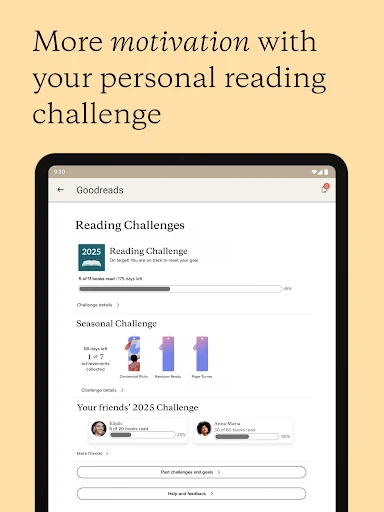
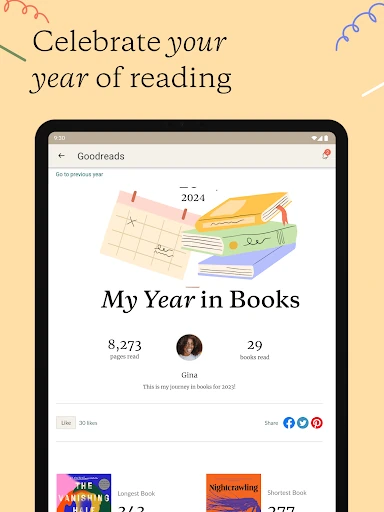
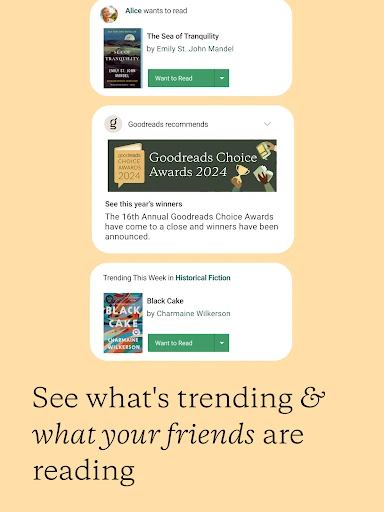

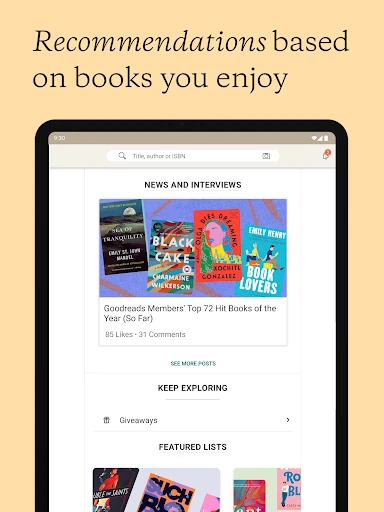







Click to download now, finish the installation quickly, and directly unlock the all-round experience
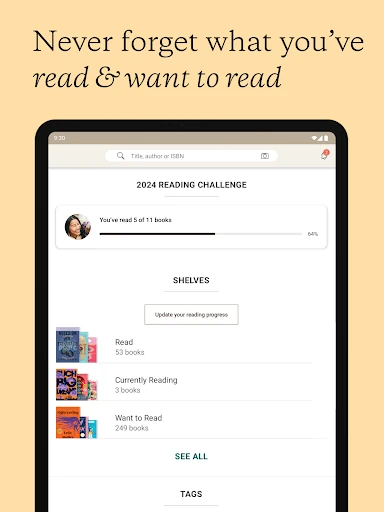
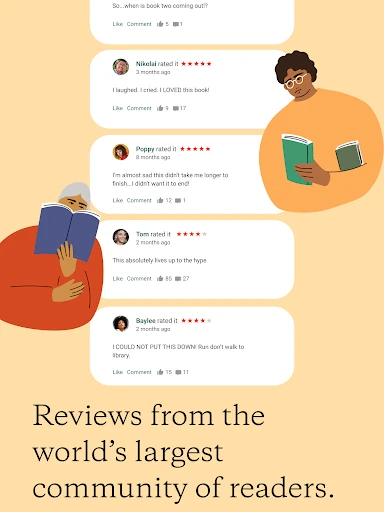
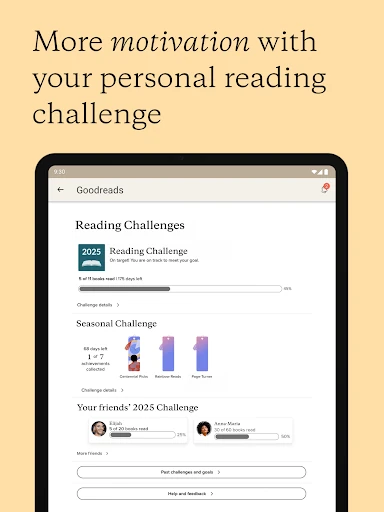
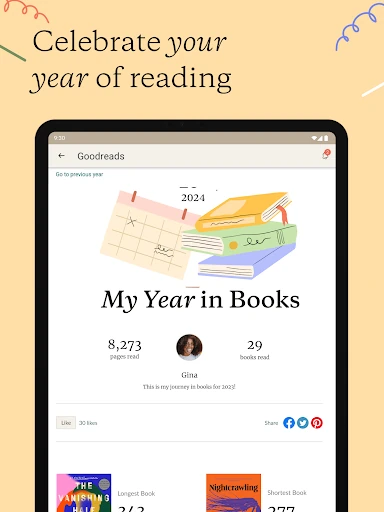
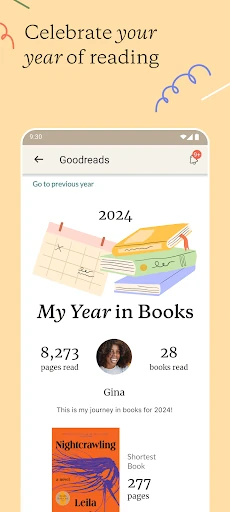
Goodreads: Book Reviews stands as the preeminent social network for bibliophiles, dominating the Books & Reference category with an unparalleled database of over 2.2 billion books. As a senior analyst, I view Goodreads not merely as a utility, but as the central nervous system of the global reading community. While it faces modern competition, its massive user base of 75 million members provides a depth of data and social proof that newer platforms struggle to replicate. It remains the definitive tool for digital cataloging and literary discovery, serving as a vital bridge between physical reading and digital community engagement.
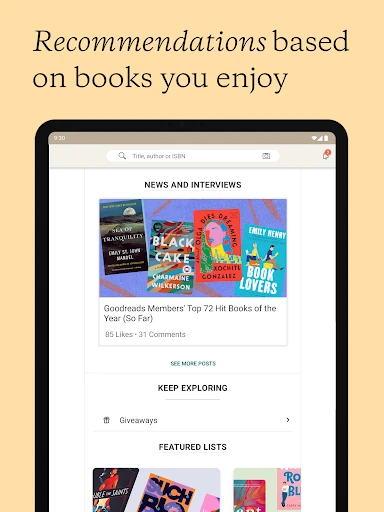
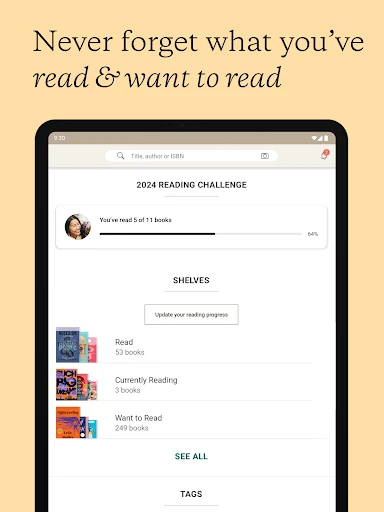
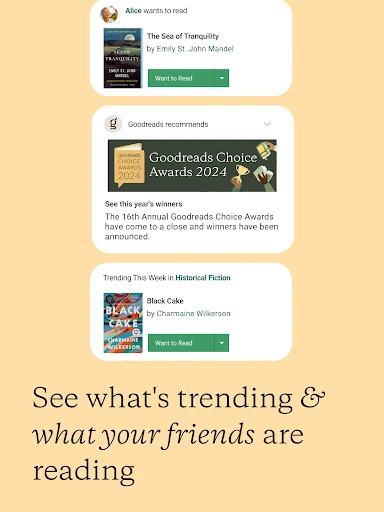
The user interface of Goodreads is functional but noticeably utilitarian. In the context of modern Books & Reference standards, the design leans heavily on information density rather than minimalist aesthetics. The navigation is straightforward, prioritizing access to the "Want to Read" shelf and search functions. However, the UI can feel cluttered due to the sheer volume of data, and the transition between mobile-native features and web-view elements can occasionally disrupt the flow. It prioritizes utility and database depth over cutting-edge visual design, which may feel antiquated to younger demographics accustomed to high-motion interfaces.
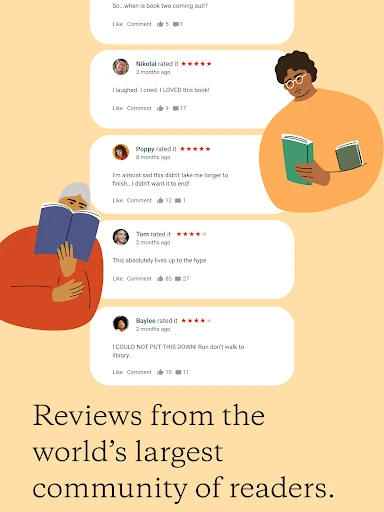
To maintain its market leadership, Goodreads should invest in a comprehensive UI/UX overhaul to modernize the visual language and improve touch-target ergonomics. Implementing a more sophisticated search algorithm that better highlights mid-list and indie titles would significantly enhance discovery. Furthermore, streamlining the social feed to reduce noise and focusing on a more seamless "native" mobile experience—rather than relying on web-wrappers—would greatly improve the overall feel of the application.
Goodreads: Book Reviews is the essential companion for avid readers, researchers, and book club organizers. Despite its aging aesthetic, its utility as a cataloging tool and its status as the world's primary social hub for readers are unmatched. It is highly recommended for anyone looking to organize their personal library and connect with a global community. For the serious reader, this is an indispensable tool that remains the industry standard.