Advertisement
Click to download now, finish the installation quickly, and directly unlock the all-round experience
Advertisement
Screenshots
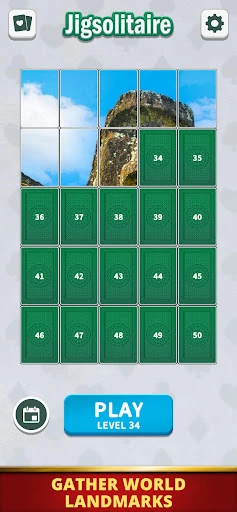
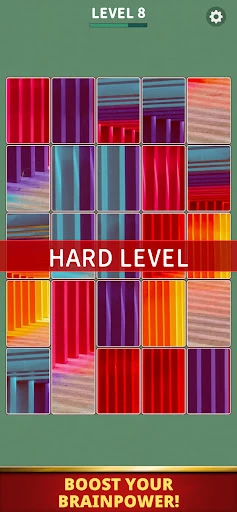
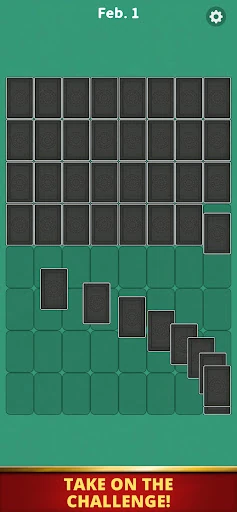
Click to download now, finish the installation quickly, and directly unlock the all-round experience
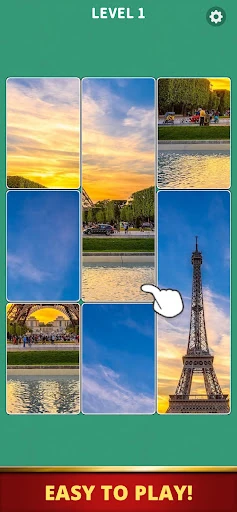
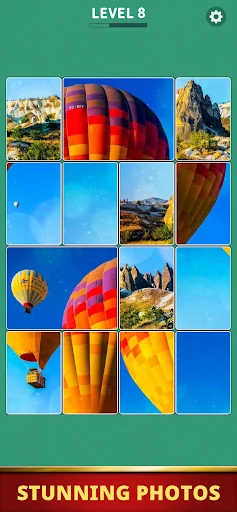
Jigsolitaire represents a refreshing evolution in the mobile puzzle landscape, cleverly bridging the gap between traditional jigsaw mechanics and card-based sorting games. In a market often saturated with repetitive match-three clones, Jigsolitaire stands out by focusing on the tactile satisfaction of assembly. It leverages the psychological "click" or "snap" of puzzle pieces fitting together, transforming a simple organizational task into a deeply rewarding sensory experience. As an analyst, I find its blend of spatial reasoning and card-manipulation mechanics to be a sophisticated take on casual gaming that appeals to the "organized" brain.
The user interface of Jigsolitaire is built on the principle of "invisible design," where the controls are so intuitive that they require no tutorial. The swipe-based navigation feels organic to the mobile platform, mimicking the physical action of sliding cards across a table. From a UX perspective, the visual feedback provided when cards "snap" is the cornerstone of the experience, providing immediate validation of the user's logic. However, the unique shrinking mechanic for overlapping cards introduces a layer of complexity that requires careful visual signaling to ensure users understand the consequence of their moves without feeling frustrated by unintended size changes.
To further elevate the title, the developers should consider implementing haptic feedback specifically calibrated to the "snap" animation to deepen the sensory immersion. Additionally, adding a "magnifying glass" or "ghost image" toggle for more complex photos would help bridge the gap for players who struggle with high-density visual patterns. Finally, introducing a competitive or time-attack mode could add a layer of replayability for users who master the basic spatial logic quickly.
Jigsolitaire is an excellent choice for fans of classic Jigsaw puzzles, Solitaire enthusiasts, and anyone who finds peace in organizational gameplay. It is particularly well-suited for "micro-gaming" sessions—those 5-to-10-minute windows where a player wants a mental challenge that isn't overly stressful. My final verdict is that Jigsolitaire is a polished, high-potential entry in the Puzzle category that rewards precision and spatial awareness over raw speed.