
Advertisement
Click to download now, finish the installation quickly, and directly unlock the all-round experience
Advertisement
Screenshots




Click to download now, finish the installation quickly, and directly unlock the all-round experience
Speech Recognition & Synthesis from Google serves as the foundational architecture for the Android voice ecosystem. Operating as a critical system-level tool, it bridges the gap between human linguistics and machine execution through sophisticated neural network models. Unlike standalone apps, this utility functions as an invisible engine that powers both Google-native and third-party applications. By providing high-fidelity speech-to-text (STT) and naturalistic text-to-speech (TTS) capabilities, it occupies a central role in the Tools category, ensuring that accessibility, productivity, and hands-free navigation remain seamless for millions of users worldwide.
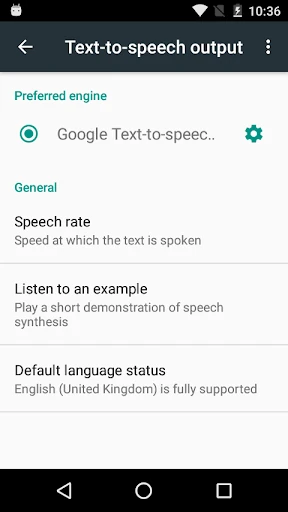
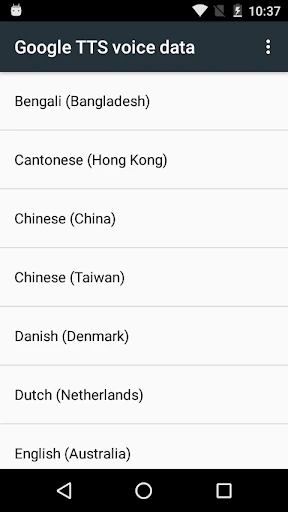
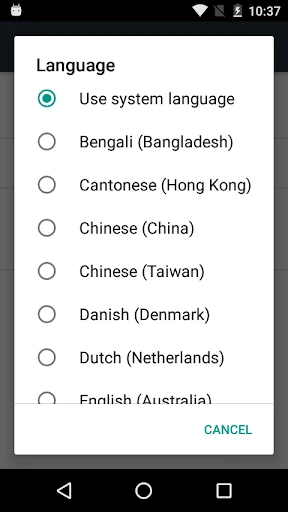
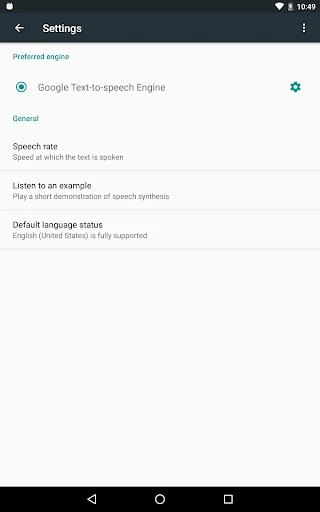
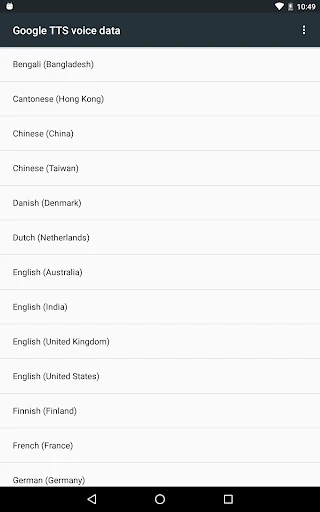
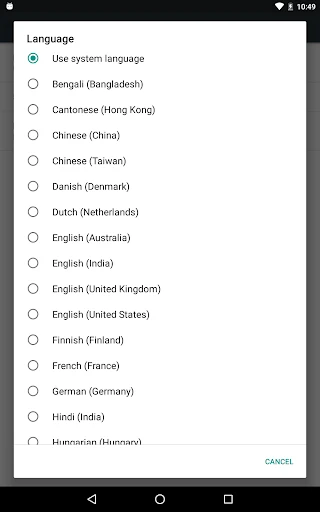
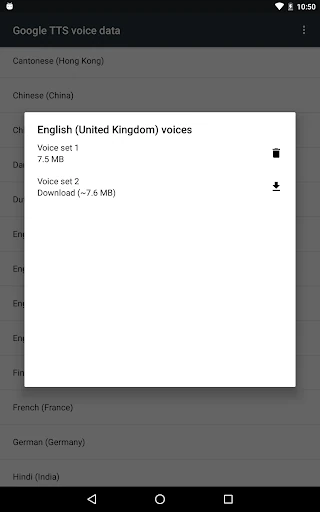
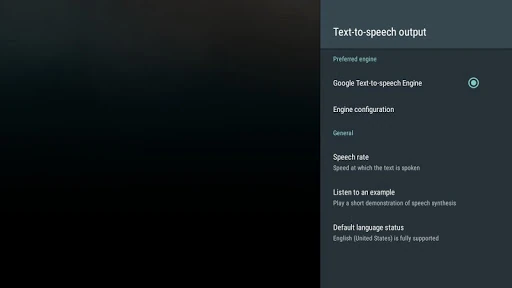
As a system service, the user interface for Speech Recognition & Synthesis is primarily tucked away within the Android Settings menu. The UX is designed for "set it and forget it" efficiency. The configuration screens follow Material Design principles, prioritizing clarity and ease of navigation over aesthetic flair. Users can easily manage language packs and select preferred engines with minimal friction. The real UX impact, however, is felt through the speed and accuracy of its background processes; it is designed to be low-latency, ensuring that voice recognition feels instantaneous and that synthesized speech sounds fluid and human-like rather than robotic.
While the tool is exceptionally stable, Google could improve the "Offline Mode" by optimizing the compression of high-fidelity voice models to save space while maintaining quality. Additionally, providing a more intuitive "voice preview" gallery directly within the settings would help users choose synthetic voices that better suit their personal preferences without having to test them in external apps.
Speech Recognition & Synthesis is an essential utility for every Android user, ranging from commuters using voice-activated navigation to students transcribing lectures and individuals with accessibility requirements. It is not just a tool; it is a vital component of the modern mobile experience. Our recommendation is to ensure this service is always updated to the latest version to benefit from Google’s continuous improvements in machine learning and linguistic accuracy.