Advertisement
Click to download now, finish the installation quickly, and directly unlock the all-round experience
Advertisement
Screenshots
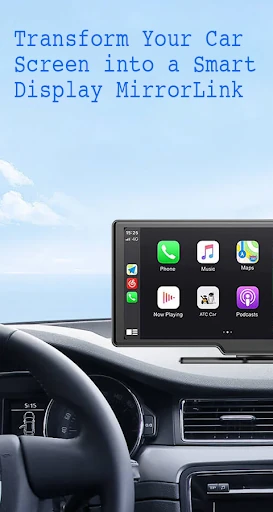
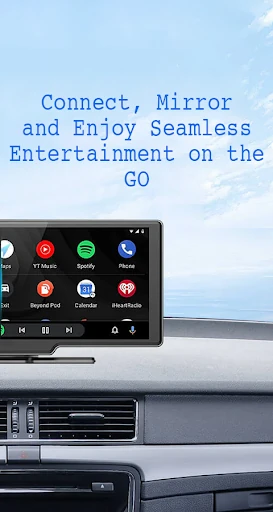
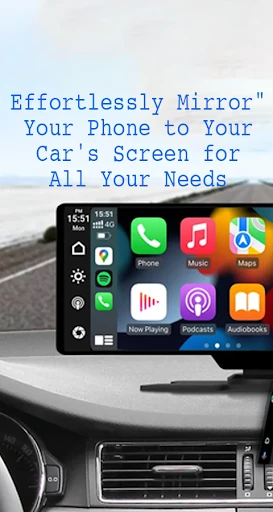
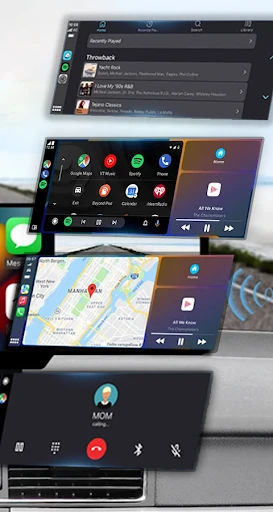
Click to download now, finish the installation quickly, and directly unlock the all-round experience
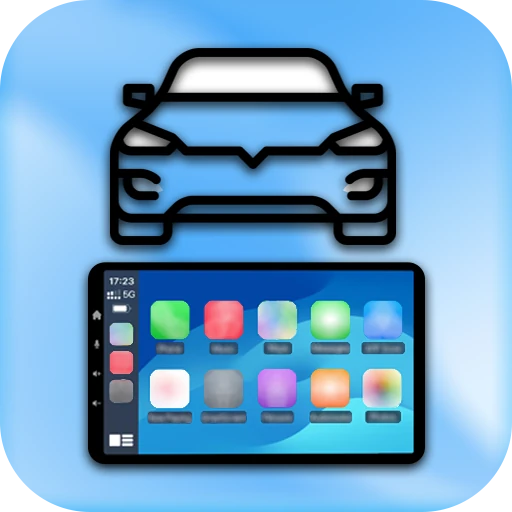
Mirror Link serves as a critical bridge in the Libraries & Demo category, offering a versatile utility for drivers seeking to extend their smartphone's ecosystem to their vehicle's infotainment system. By supporting both wireless and USB protocols, the app positions itself as a flexible solution for overcoming the limitations of native car software. As a Senior Analyst, I find its integration of automation and broad compatibility—ranging from modern Android Auto setups to legacy systems with simple web browsers—to be a significant value proposition for users looking to modernize their driving experience without hardware upgrades.
In the context of the Libraries & Demo category, Mirror Link prioritizes utility over visual flair, which is the correct approach for a safety-adjacent application. The interface focuses on a "one-click" connection philosophy, aiming to minimize the time a user spends interacting with their phone before starting a journey. The setup process, while dependent on the vehicle's Miracast or hardware capabilities, is guided by a clear four-step logic. The design language is functional, ensuring that buttons are large enough for easy interaction and that the status of the connection is always transparent to the user.
To further elevate the user experience, the developers should consider implementing a more robust diagnostic tool within the app to help users identify why a Miracast connection might be failing. Additionally, expanding the automation suite to include GPS-triggered events or custom app-launch sequences upon connection would strengthen its position as a comprehensive car-starter utility. Reducing latency during high-definition video streaming would also be a welcome technical optimization for the next update.
Mirror Link is an essential tool for tech-forward drivers and those with older vehicles who feel "left behind" by modern smart-car features. It is best suited for users who require a unified interface for navigation, media, and communication while on the road. For anyone looking to bypass the restrictive nature of stock infotainment systems, Mirror Link offers a reliable, feature-rich alternative that prioritizes both safety and functionality.