
Advertisement
Click to download now, finish the installation quickly, and directly unlock the all-round experience
Advertisement
Screenshots





Click to download now, finish the installation quickly, and directly unlock the all-round experience
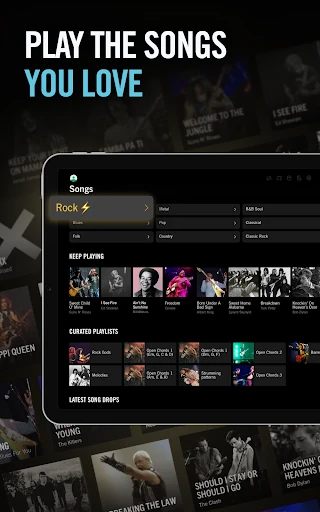
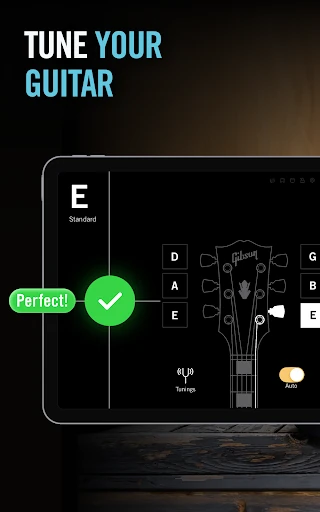
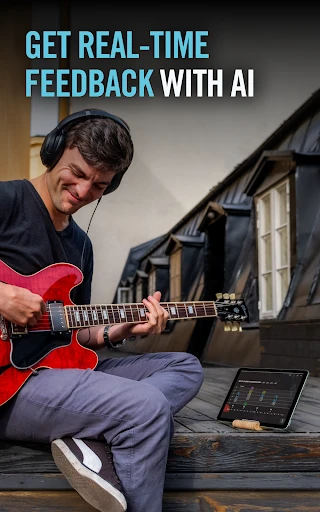
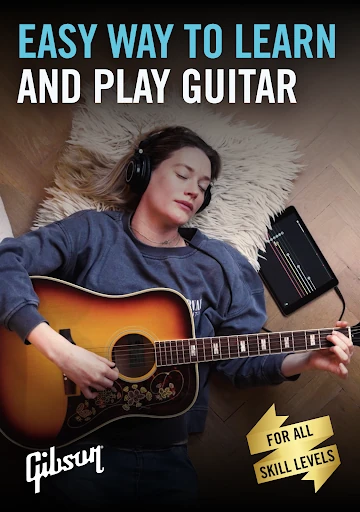
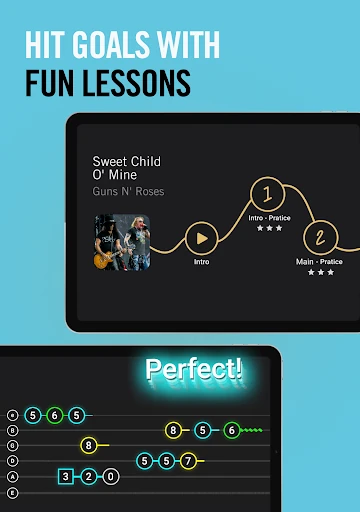
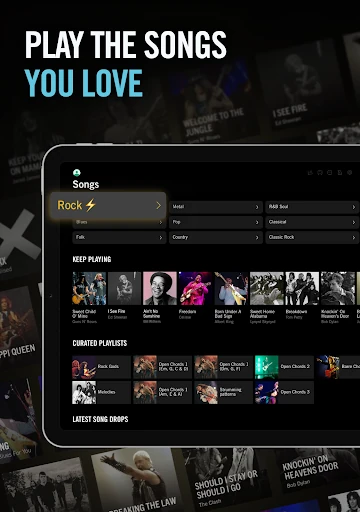
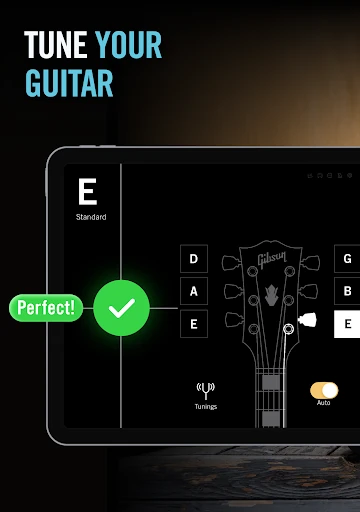
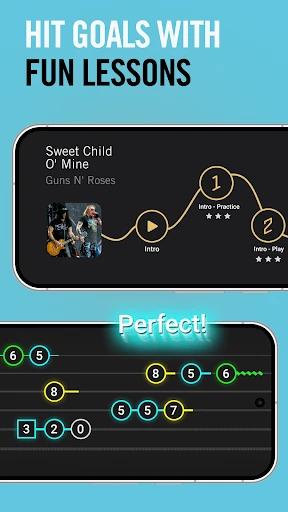
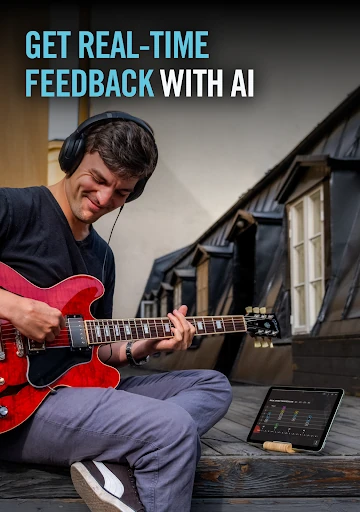
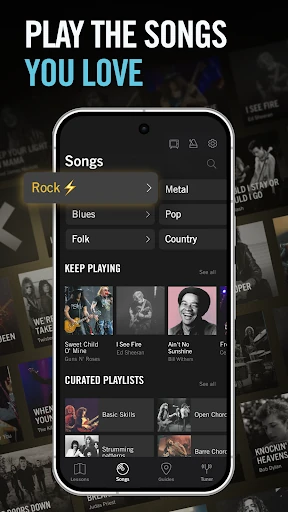
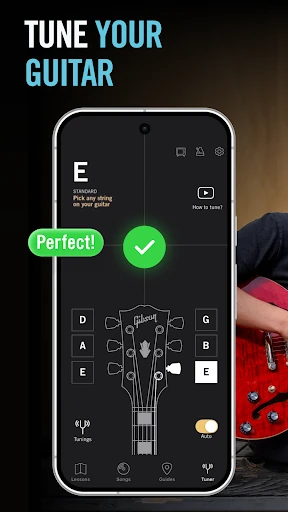
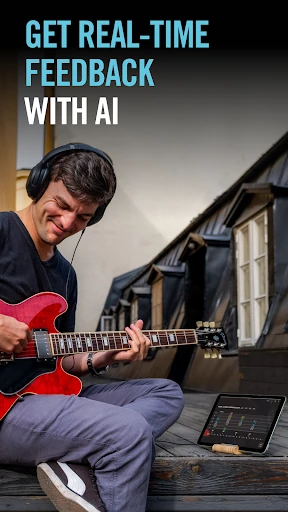
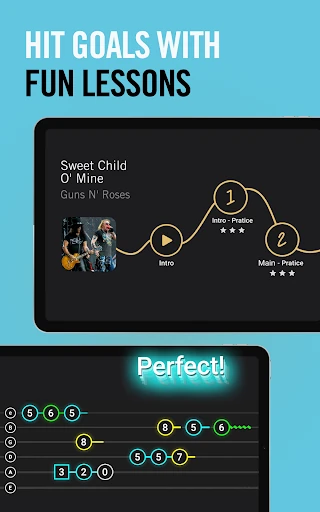
Gibson: Learn to Play Guitar represents a premium shift in the digital music education landscape, leveraging the prestige of one of the world’s most iconic instrument brands to deliver a comprehensive learning suite. Moving beyond simple static tutorials, the app positions itself as an interactive mentor for both acoustic and electric players. It successfully integrates modern audio-recognition technology with a curriculum that prioritizes engagement through a "song-first" philosophy, making it a formidable competitor in the crowded Education category on Google Play.
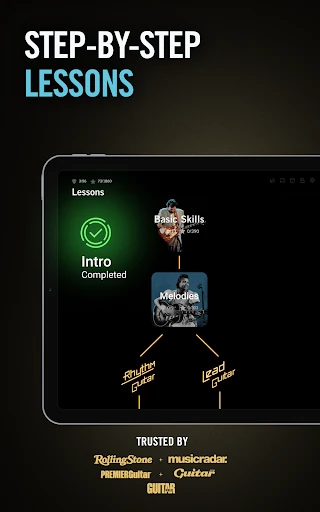
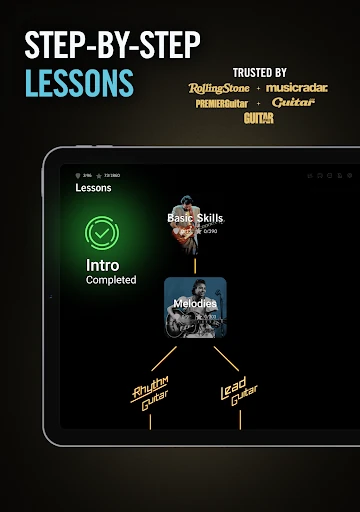
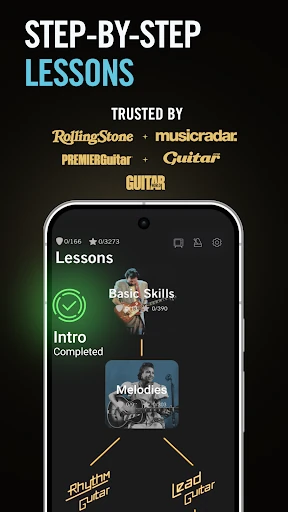
The UI of the Gibson App is characterized by a sleek, dark-themed aesthetic that mirrors the premium branding of their physical instruments. For an Education app, the UX is remarkably streamlined; it minimizes cognitive load by using clear visual hierarchies and intuitive navigation. The "Lesson Path" is laid out logically, ensuring that beginners are never overwhelmed by the breadth of content. High-contrast tabs and chord diagrams are optimized for visibility on mobile screens, which is essential for players who need to glance at their devices while holding an instrument.
To further dominate the category, the app could benefit from an offline mode for lessons, allowing users to practice in environments without stable internet. Additionally, expanding the library to include more contemporary genres like lo-fi, modern metal, or neo-soul would help capture a broader demographic of Gen Z learners. Implementing a "Community" or "Duo" mode where learners can collaborate or compete on song performance scores could also boost long-term retention.
Gibson: Learn to Play Guitar is a top-tier recommendation for adult beginners and fans of classic guitar-driven music who require structure and professional feedback to stay motivated. While the subscription-heavy model is a factor to consider, the quality of instruction and the accuracy of the feedback engine justify the investment for serious learners. It is the definitive mobile companion for anyone looking to transform a dusty guitar into a source of musical mastery.