🏆 Expert Verdict & Overview
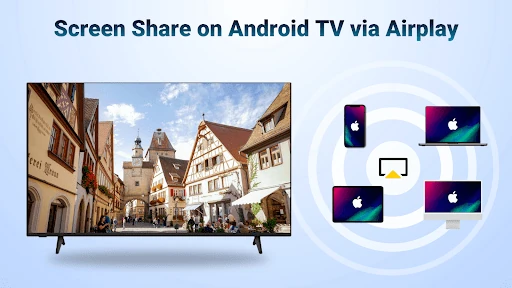
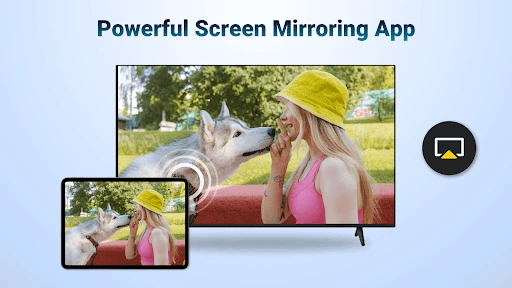
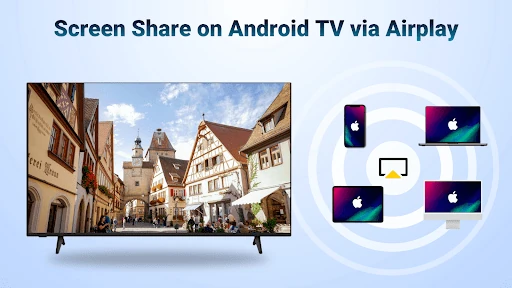
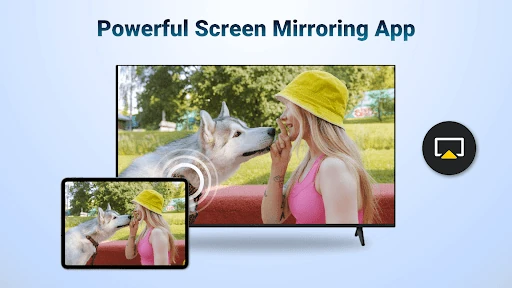
AirMirror: TV Cast via AirPlay serves as a critical bridge in the fragmented Video Players & Editors landscape, specifically addressing the interoperability gap between Apple’s iOS/macOS ecosystem and the Android TV platform. As a Senior Analyst, I find this application to be a sophisticated software-based receiver that eliminates the need for proprietary hardware like the Apple TV 4K for basic mirroring tasks. It positions itself as a high-utility tool for users who demand cross-platform flexibility, providing a stable environment for streaming high-quality media and real-time screen data without the friction of physical converters.
🔍 Key Features Breakdown
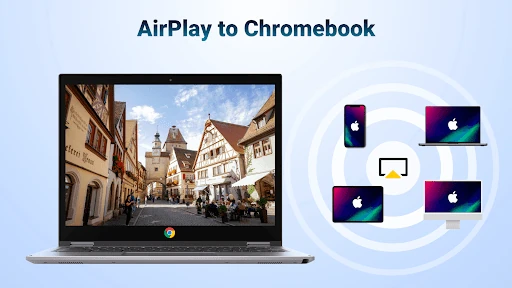
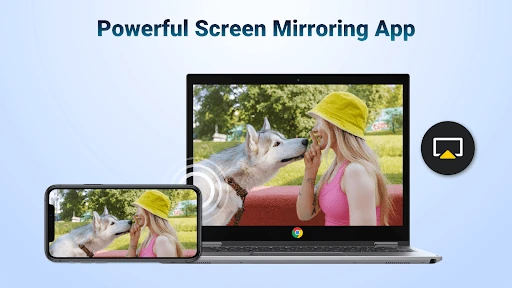
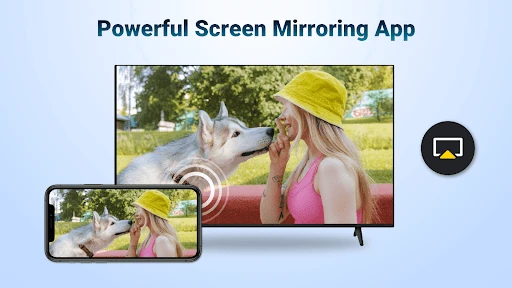
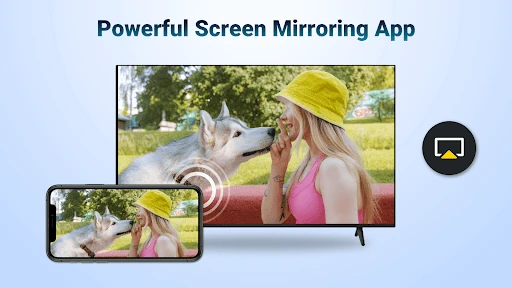
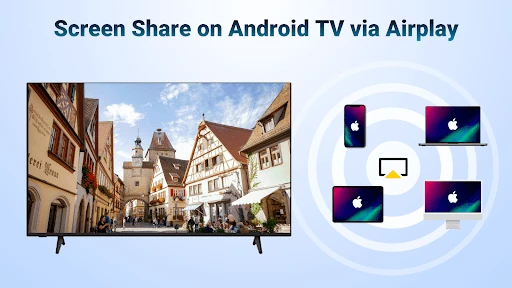
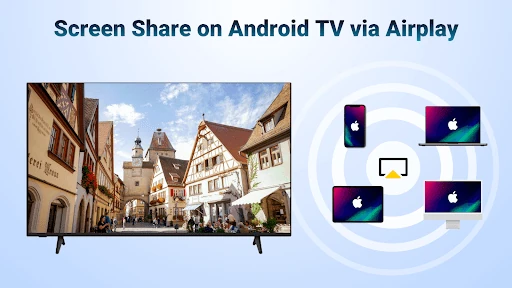
- Universal AirPlay Receiving: Transforms any Android TV into a compatible AirPlay target, allowing seamless mirroring from iPhones, iPads, and Macs without hardware modifications.
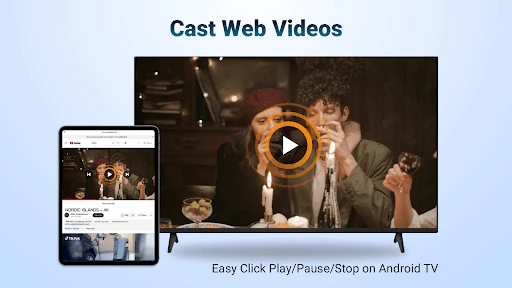
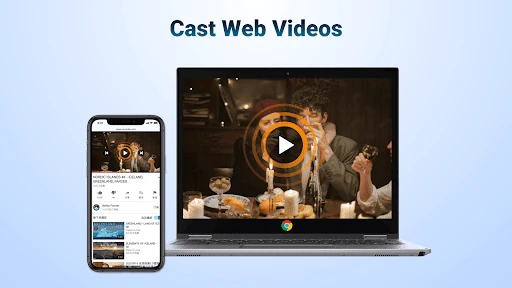
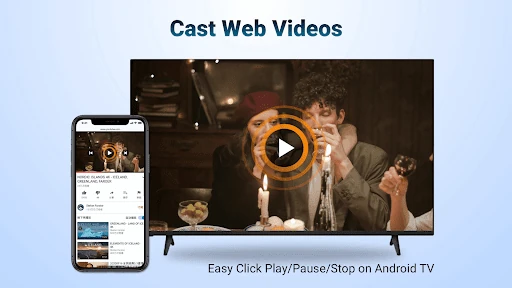
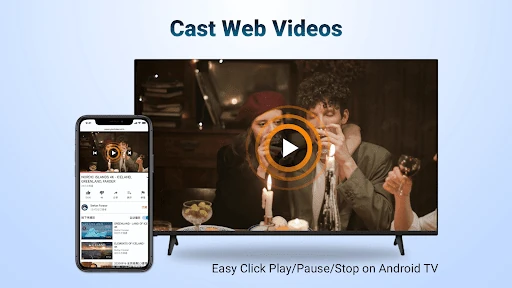
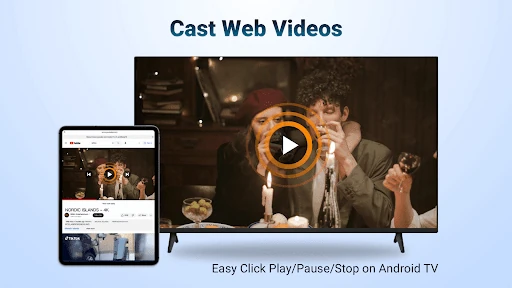
- Web Video Casting: Specifically optimized to handle web-based video streams, ensuring that content from browsers is transmitted with higher efficiency and lower latency than standard screen mirroring.
- Receiver-Side Playback Control: Unlike many basic receivers, this allows users to Play, Pause, or Stop content directly via the Android TV interface, providing a more "native" media player experience.
- Dynamic Orientation Switching: Supports manual toggling between landscape and portrait modes, which is essential for viewing mobile-first content like TikToks or vertical home videos on a widescreen display.
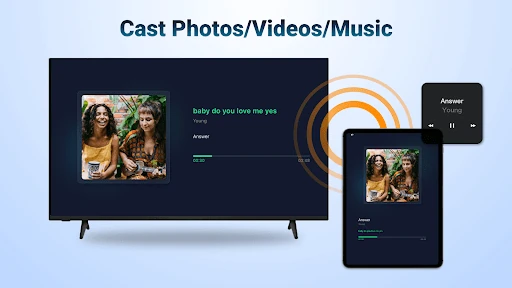
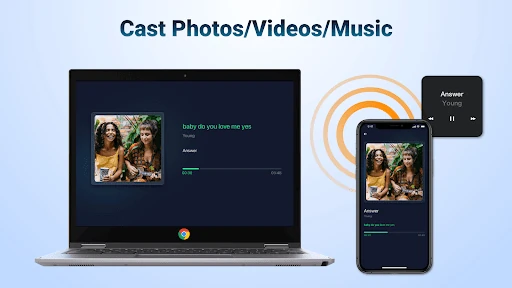
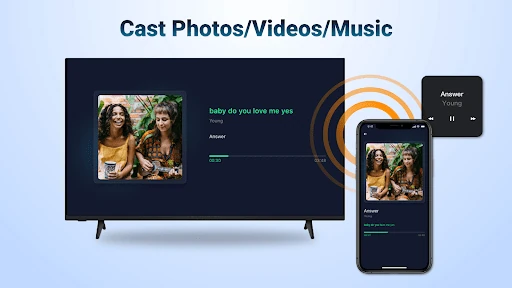
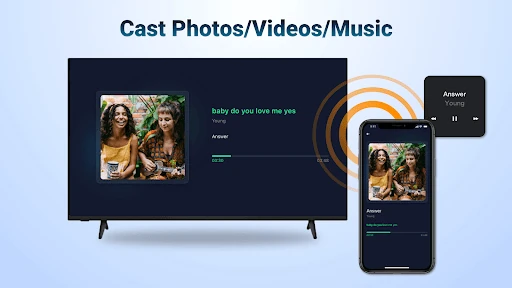
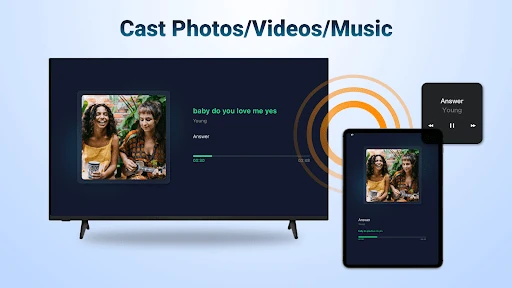
- Multi-Format Media Support: Handles a diverse range of data types including low-latency audio for music streaming and high-resolution photo casting for digital slideshows.
🎨 User Experience & Design
The UI/UX strategy of AirMirror is centered on "invisible technology"—the goal is to make the setup so simple that the app fades into the background once the connection is established. The onboarding process is remarkably lean, requiring only a four-step handshake between the Apple device and the Android TV. From a design perspective, the interface is functional and utilitarian, prioritizing clarity over aesthetic flourish. For the Video Players & Editors category, where latency and connection stability are the primary metrics of success, AirMirror performs admirably by maintaining a steady "handshake" even during prolonged streaming sessions, provided the local network infrastructure is robust.
⚖️ Pros & Cons Analysis
- ✅ The Good: Exceptional cross-ecosystem compatibility that saves users from purchasing additional hardware.
- ✅ The Good: High-speed web video casting that outperforms generic mirroring protocols in terms of frame rate and buffering.
- ❌ The Bad: Strict DRM (Digital Rights Management) limitations prevent the streaming of protected content from services like Netflix and paid iTunes movies.
- ❌ The Bad: Performance is heavily dependent on local WiFi congestion, which can lead to occasional artifacts in high-motion video.
🛠️ Room for Improvement
To further elevate the user experience, the developers should consider integrating a built-in network diagnostic tool to help users identify WiFi interference issues. Additionally, adding support for a "low-latency mode" specifically optimized for mobile gaming would make the app even more versatile for power users. Exploring ways to provide more descriptive error messages when DRM content fails to load would also reduce user frustration by explaining the "why" behind the black screen.
🏁 Final Conclusion & Recommendation
AirMirror: TV Cast via AirPlay is a must-have utility for "mixed-device" households or professionals who use Apple mobile devices but rely on Android TV hardware for their displays. It is particularly well-suited for educators, business presenters, and fitness enthusiasts who need to move content from a small screen to a large one instantaneously. While the DRM restrictions are a notable hurdle, they are a standard industry limitation rather than a fault of the app itself. For anyone needing reliable, software-based AirPlay functionality on an Android TV, this is a top-tier recommendation.